
In 1977 a small Cincinnati radio station put a fireworks show on the Ohio River and fifty thousand people turned up. What the police learned in the first three years shaped how the city has handled large crowds ever since.
Yearly Archives: 2026
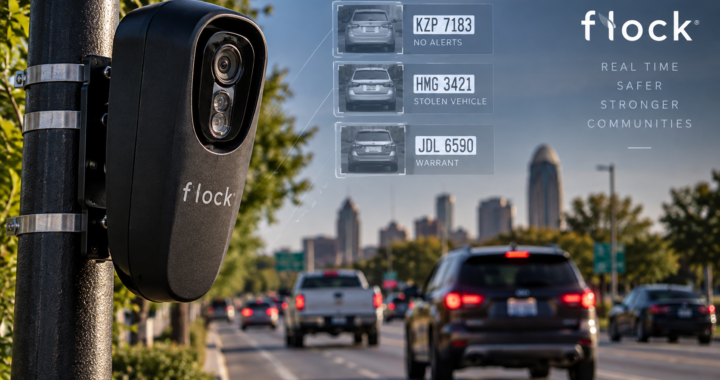
The Flock Effect
Communities across the country are taking a hard look at license plate readers. Police have had access to restricted national databases for more than five decades, and officers who abuse them lose their jobs and face charges. The technology is newer. The argument is not.
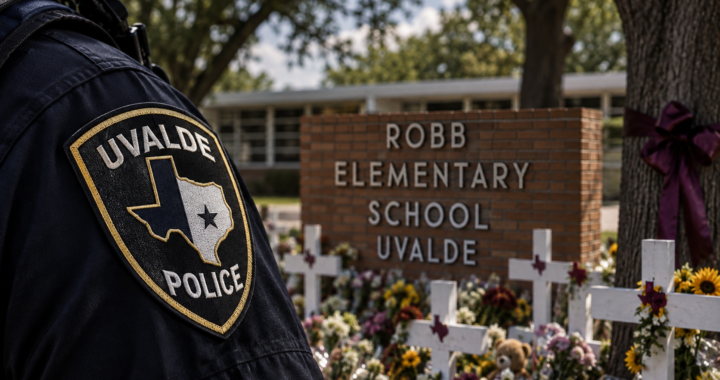
Not Guilty in Uvalde
A Texas jury acquitted one of the two officers charged over the response to the Uvalde school shooting. The failures that day were failures of command, not crimes, and the District Attorney should have known the difference.
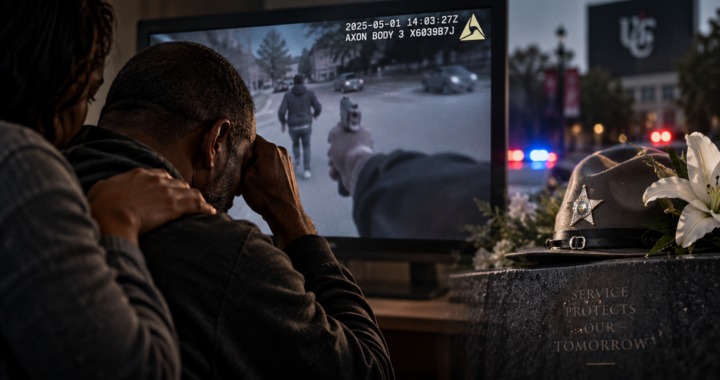
What the Family Sees
Jurisdictions are releasing unedited shooting video to the families of the deceased. In Cincinnati, a father watched his son die on video and then killed a deputy who had nothing to do with it. Transparency has a cost.

What constitutes a weapon?
A weapon is best described as anything that is not used for its intended purpose. Police academies teach the use of deadly force to neutralize a threat. But when the threat is a moving vehicle, shooting the driver does not stop it. That is a training issue.

A Badge in a Crowd
Larry Henderson gave thirty-seven years to the Hamilton County Sheriff’s Office, retired, and went back to work three days later. He was killed directing traffic at a graduation by a man who had never met him. A friend writes on the deputy he was, and on the bill that carries his name.
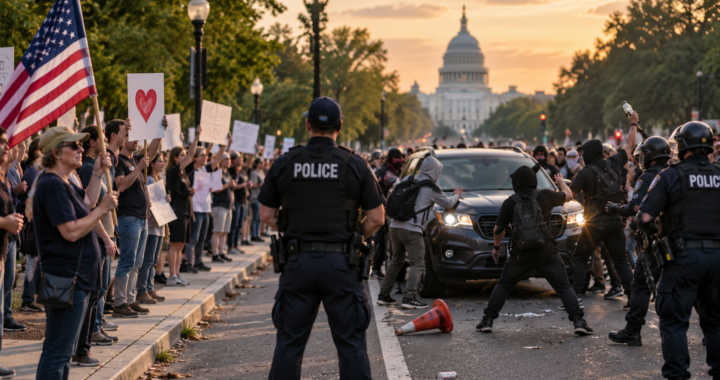
The “GOOD” effect
We have devolved into a world where divergent opinions are vilified and the people who hold them are personally attacked. One side calls a shooting murder. The other calls the same force reasonable. Two questions still need to be addressed: what constitutes a weapon, and what is a peaceful protest?