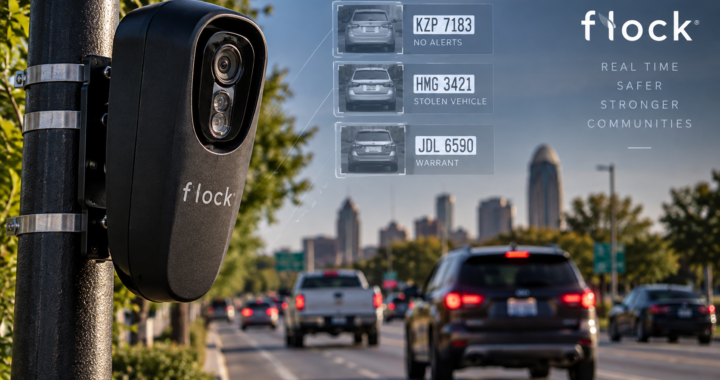
The controversy over the use of License Plate Readers is causing communities to rethink their usage. The fact is that law enforcement agencies have had access to restricted information for more than five decades.
In the 1970s, police were granted access to the National Crime Information Center (NCIC), which set up a national database accessible to all law enforcement officers and gave them the ability to interact directly with other agencies. A small police department in Ohio was able to directly contact a specific Pennsylvania State Police post to effect the return of a stolen firearm to its owner. Is there the possibility of abuse? Of course there is, but there are significant federal penalties. Other than loss of their employment, officers who abuse it face hefty fines and potential prison time.
Now to License Plate Readers, which have been available for more than fifty years. The penalties for those who abuse it are much less penal because they are state charges, but agencies across the country are firing officers and criminally charging violators.
There is no expectation of privacy in the public. First Amendment Auditors scream that on a regular basis. The LPRs simply read the plate and match it against vehicles identified in crimes. They have successfully recovered kidnap victims, armed offenders and missing persons throughout the country.
It does not capture photos of occupants of a vehicle. It does not have facial recognition capabilities, and it does not have public access. It is NOT a violation of the civil rights and privacy of anyone.
The safety of the public requires some level of concession. But that concession is a minimal invasion of personal freedoms and it is necessary.
Discover more from R. Barry Andrews
Subscribe to get the latest posts sent to your email.